
Fintech as a Gateway to Access
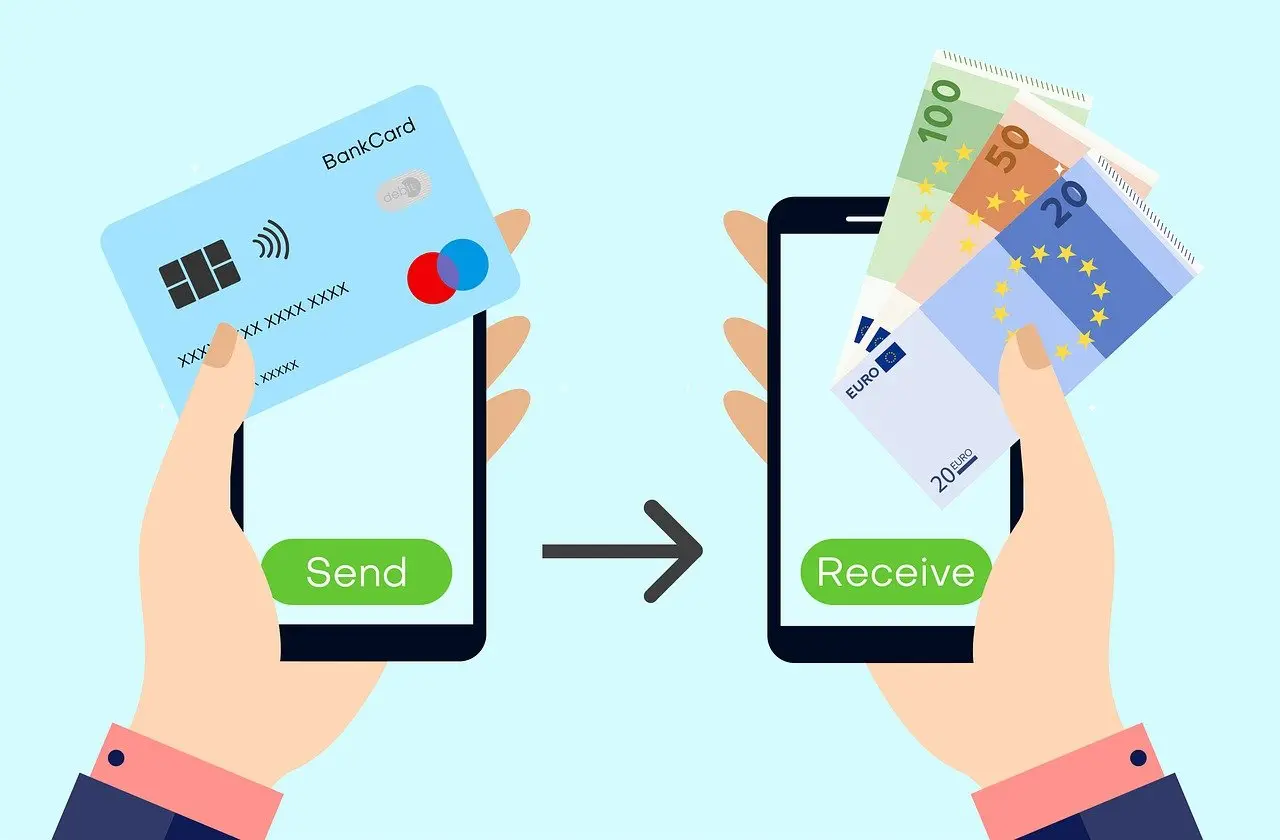
Fintech companies are helping to bridge this gap by offering accessible, low-cost, and mobile-first financial solutions. Unlike traditional banks, fintech firms don’t require brick-and-mortar branches and can reach users wherever they are. Many platforms allow people to open accounts, transfer money, or build credit using only a smartphone and basic documentation, significantly lowering the threshold for financial access.
Alternative Data and Credit Scoring
One of the most powerful tools fintech brings to the table is the use of alternative data for credit scoring. Instead of relying solely on traditional credit reports, some fintech lenders consider factors like rent payments, utility bills, and even subscription services to assess creditworthiness. This approach enables more Americans—especially those with little to no credit history—to qualify for loans and build credit responsibly.
Tailored Products for Underserved Communities
Fintech also enables hyper-personalized financial products. Apps tailored to specific demographics—like gig workers, small business owners, or immigrant families—can offer budgeting tools, microloans, and savings plans that reflect the unique financial behaviors of these groups. This level of customization helps users build financial stability on their own terms and at their own pace.
The Role of Regulation and Partnerships
Government agencies and nonprofit organizations are increasingly partnering with fintech firms to scale inclusive financial solutions. Public-private initiatives and regulatory sandboxes allow companies to test new models without compromising consumer protection. As oversight improves and best practices evolve, fintech is expected to play an even larger role in closing the financial inclusion gap in America.